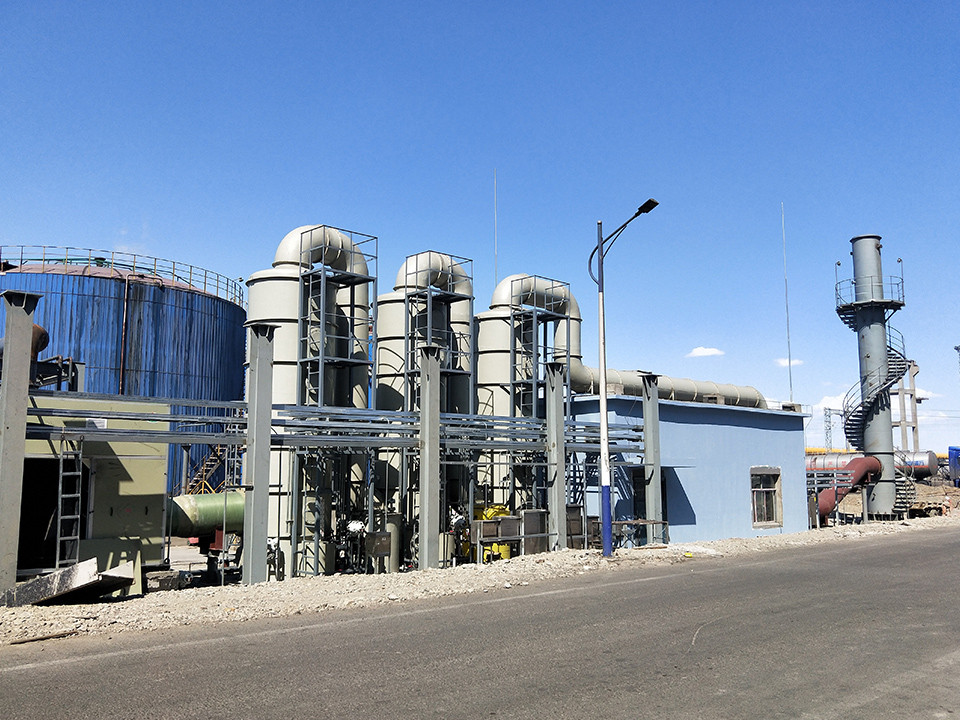
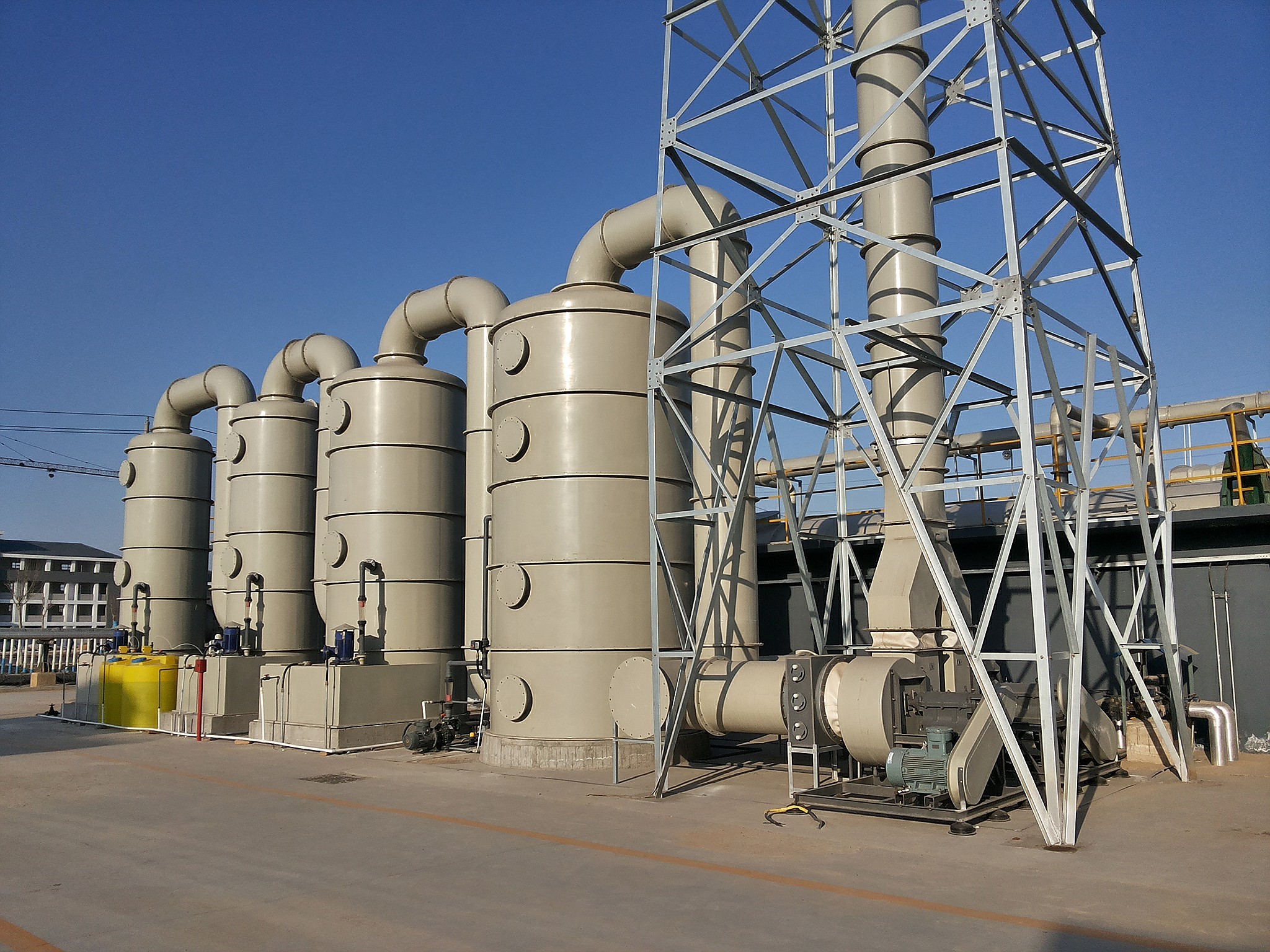
Engineered for broad-range mixed acid and soluble gas streams, the DGS-B Packed Bed Wet Scrubber delivers 30–70% higher removal efficiency with patented internal design that eliminates channeling and maximizes gas-liquid contact.
Designed for stable, low-resistance operation across variable industrial conditions.
Optimized for high-concentration acid and mixed gas streams, the CRBF Packed Bed Wet Scrubber features a high-flow, anti-clogging spray system and high-efficiency mist eliminator to ensure long-term stable performance in corrosive environments with reduced maintenance needs.
Discover the latest 2026 green ammonia policies, NH3 slip regulations, and best practices for marine exhaust gas treatment. Learn how wet scrubbers and packed bed systems help EPCs, shipyards, and project owners ensure compliance and reduce operational risks.
How to Remove NH3 Slip in Marine Engines with Advanced Scrubber Systems Ammonia (NH3) slip is becoming a growing concern for marine engines, especially as regulations on nitrogen emissions tighten worldwide. If you operate a vessel, r...
Baghouse vs Wet Scrubber Efficiency: A Complete Comparison for Industrial Air Pollution Control What is the efficiency difference between a baghouse and a wet scrubber? When comparing baghouse vs wet scrubber efficiency, the key differenc
What is Channeling and How We Solve ItHave you ever noticed that your wet scrubber isn’t performing as efficiently as expected? The culprit might be channeling.Channeling happens when gas flows unevenly through the packing, creating &...
From 5 Towers to 3: How Process Optimization Reduces Cost in Gas Treatment Systems In conventional industrial gas treatment systems, achieving stable emissions often requires up to five towers in series. While effective, this approach incr...
Canindustrial exhaust gas treatment systems be customized for different industries? Yes. Industrial processes generate different types of exhaust gases, including acidic gases, VOCs, and odor compounds. Because gas composition, concentratio
India Strengthens Industrial Emission Standards: How Your Facility Can Comply India is tightening industrial emission regulations, with the Central Pollution Control Board (CPCB) enforcing stricter standards for chemical, pharmaceutical, p...
As industrial activity increases worldwide, air pollution control has become more critical than ever. Industrial facilities are mandated to limit emissions of harmful pollutants such as sulfur dioxide (SO?), nitrogen oxides (NOx), particulate matter (PM), volatile organic compounds (VOCs), and acidic gases. Among the most effective technologies used to mitigate these pollutants are scrubbers — devices designed to remove contaminants from industrial exhaust streams.
There are two main types of scrubbers used in industrial applications:
Wet Scrubbers
Dry Scrubbers
Although they share the same goal — removing pollutants from gas streams — they function quite differently. This article explores the mechanisms, applications, benefits, and limitations of each technology to help industries make informed decisions.
Improving the performance of a wet scrubber to enhance pollutant removal efficiency involves optimizing several aspects of its design, operation, and maintenance. Here are some strategies to consider: 1. Optimize the Liquid-to-Gas Ratio (L/
Effective chemical management in wet scrubbers is crucial for optimizing performance, ensuring safety, and maintaining compliance with environmental regulations. Here are some best practices: 1. Chemical Selection Compatibility: Choose ch...
Maintaining wet scrubbers is essential for ensuring their efficient operation and compliance with environmental regulations. Here are some common maintenance requirements: 1. Regular Inspection Visual Checks: Periodically inspect for leak...
The costs of wet and dry scrubbers can vary significantly based on several factors, including design, installation, operational requirements, and maintenance. Here’s a comparison of their costs: Initial Capital Costs Wet Scrubber...
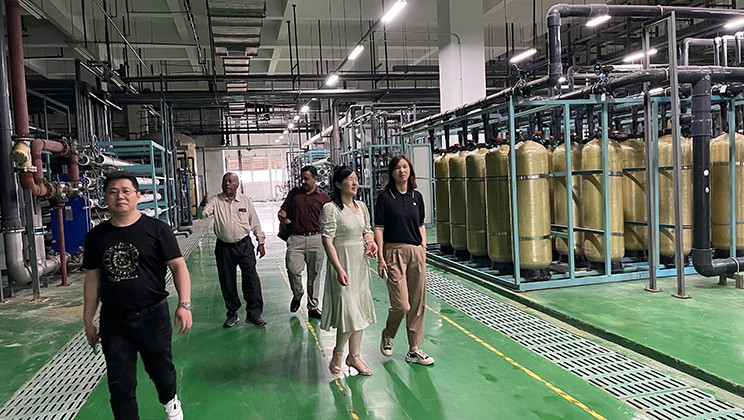
Recently, a stainless steel industry executive from Africa visited our production facility to inspect the manufacturing progress of their ordered wet scrubber. This visit not only demonstrated the client's high regard for our products but a...
Recently, Jiangsu Chaori Purification Equipment Co., Ltd. welcomed a manager from a well-known European photovoltaic (PV) company. The manager visited our facility to inspect the production status of the wet scrubber he purchased. This visi...
Wet scrubbers have a wide range of applications across various industries due to their effectiveness in removing pollutants from exhaust gases. Here are some key applications: 1. Power Generation Coal-Fired Power Plants: Used to remove su...
A wet scrubber used for odor control is a pollution control device designed to remove odorous compounds from industrial exhaust gases. Here’s how it works and its applications:How It Works:Absorption: The exhaust gas is passed through...
The three main types of scrubbers are: Wet Scrubbers: These systems use a liquid (usually water or a chemical solution) to absorb or react with pollutants in gas streams. They are effective ...
read(22)
tag:
Total number of records:31 | the number of pages:212NextEnd