

首页 FAQS
-
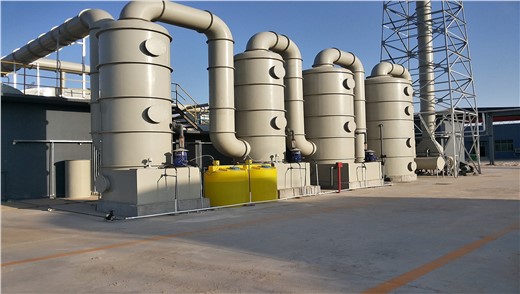
What is the difference between dust extractor and dust collector?
The terms "dust extractor" and "dust collector" are often used interchangeably, but they refer to different types of equipment designed for managing dust and particulate matter in various settings. Here are the key differences: Dust Extract...
May 27, 2024 16
16
-
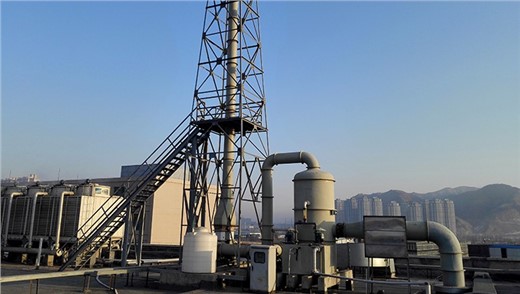
What are the applications of wet scrubber?
Wet scrubbers have a wide range of applications across various industries due to their effectiveness in removing pollutants from exhaust gases. Here are some key applications: 1. Power Generation Coal-Fired Power Plants: Used to remove su...
May 27, 202429
-
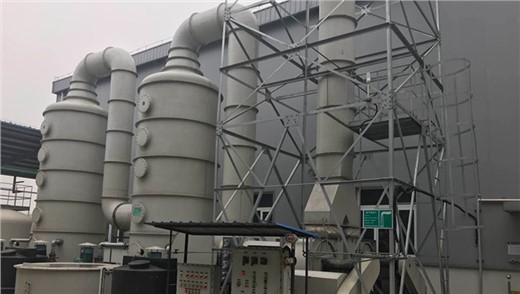
What is a wet scrubber used for odor control?
A wet scrubber used for odor control is a pollution control device designed to remove odorous compounds from industrial exhaust gases. Here’s how it works and its applications:How It Works:Absorption: The exhaust gas is passed through...
May 27, 202422
-
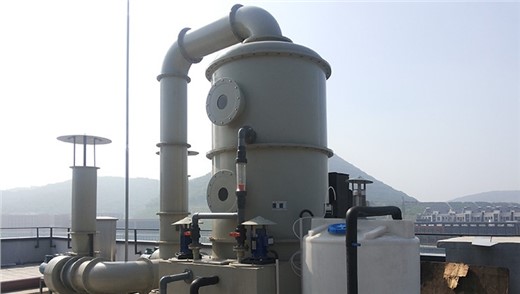
What are the three types of scrubbers?
The three main types of scrubbers are: Wet Scrubbers: These systems use a liquid (usually water or a chemical solution) to absorb or react with pollutants in gas streams. They are effective ...
May 27, 202422
-
What material is used in wet scrubbers?
The materials used in wet scrubbers are critical to their performance, durability, and resistance to corrosion. Here’s an overview of common materials used in various components of wet scrubber systems: 1. Scrubber Vessel Carbon Ste...
May 27, 202452
-
What is the solvent in a wet scrubber?
In a wet scrubber, the solvent is typically a liquid used to absorb or neutralize pollutants from a gas stream. The most common solvent used is water, but other chemical solutions can also be employed depending on the specific contaminants ...
May 27, 202444